
Periodontal Disease Treatment
in Kennesaw, GA
Thorough Gum Disease Treatment for Kennesaw, Acworth, and Surrounding Cobb & Cherokee County Communities
Gum disease is one of the most common conditions we see, and also one of the most undertreated. Many patients don’t realize they have it until the damage is already underway. At Russell Anderson Jr. Dentistry, we screen for periodontal disease at every visit, catch it early when we can, and provide targeted treatment when we need to go further.
Dr. Russell Anderson has treated periodontal disease in patients across Kennesaw, Acworth, and the surrounding area for years. Whether you’re dealing with early-stage gingivitis or more advanced periodontitis, the goal is the same: stop the progression of gum disease and protect the health of your mouth, gums, and body.
Why Gum Disease Deserves More Attention Than it Gets
Most people associate dental visits with their teeth. But your gums are the foundation that holds everything else in place, and when that foundation is compromised, the effects go well beyond your mouth.
Research has established a strong association between untreated periodontal disease and a range of systemic health conditions, including:
The connection works both ways: uncontrolled systemic conditions can also make gum disease harder to treat. This is why we ask about your overall health history at every visit. It’s not just paperwork
Recognizing the Signs of Gum Disease
Periodontal disease often develops without obvious pain, which is how it goes undetected for so long. Signs worth paying attention to include:
If any of these sound familiar, a periodontal exam is the right next step. Early intervention makes a real difference in what treatment looks like.

Flexible PAyment Options Available
Fast Approval. Flexible Payments. Make Gum Disease Treatment Fit Your Budget
We’ve partnered with Cherry Financing to offer flexible monthly payment plans with fast approval and no hard credit check. Most patients approved in seconds. It’s never been easier to get the treatment you need.

We offer a 5% discount to patients who prepay for select procedures, including periodontal therapy. Call us at (770) 419-2535 for more details.
Periodontal Charting: How We Measure Gum Health
Before any treatment begins, we need to understand the exact state of your gum health. Periodontal charting is exactly how we do that. During a charting exam, our our hygienist uses a small probe to measure the depth of the pocket between each tooth and the surrounding gum tissue. We chart six points around every tooth. This helps us determine the level of gum disease present. 1-3mm is in the healthy range; 4-5mm indicates early to moderate gum disease; 6mm or deeper indicates advanced periodontitis.
We walk every patient through their charting results so you understand what the numbers mean and what treatment, if any, is indicated. This baseline also gives us something concrete to compare at your next visit so we can track whether the tissue is responding to treatment.
Patients in active periodontal treatment are typically re-charted every three to four months to monitor healing in real time.
Our Gum Disease Treatment Options
Preventive Teeth Cleanings
A standard prophylaxis cleaning, done twice a year, is the most effective thing most patients can do to prevent gum disease. Our hygienists remove plaque and tartar buildup from the surfaces of the teeth and along the gum line, the areas that daily brushing and flossing can’t fully reach.
For patients in the earliest stages of gingivitis, where the tissue is inflamed but no bone or structural damage has occurred, consistent preventive cleanings and better home care are often enough to reverse the condition completely. Our hygiene team will also give you an honest assessment of what’s working in your current routine and where a few targeted adjustments could make a real difference
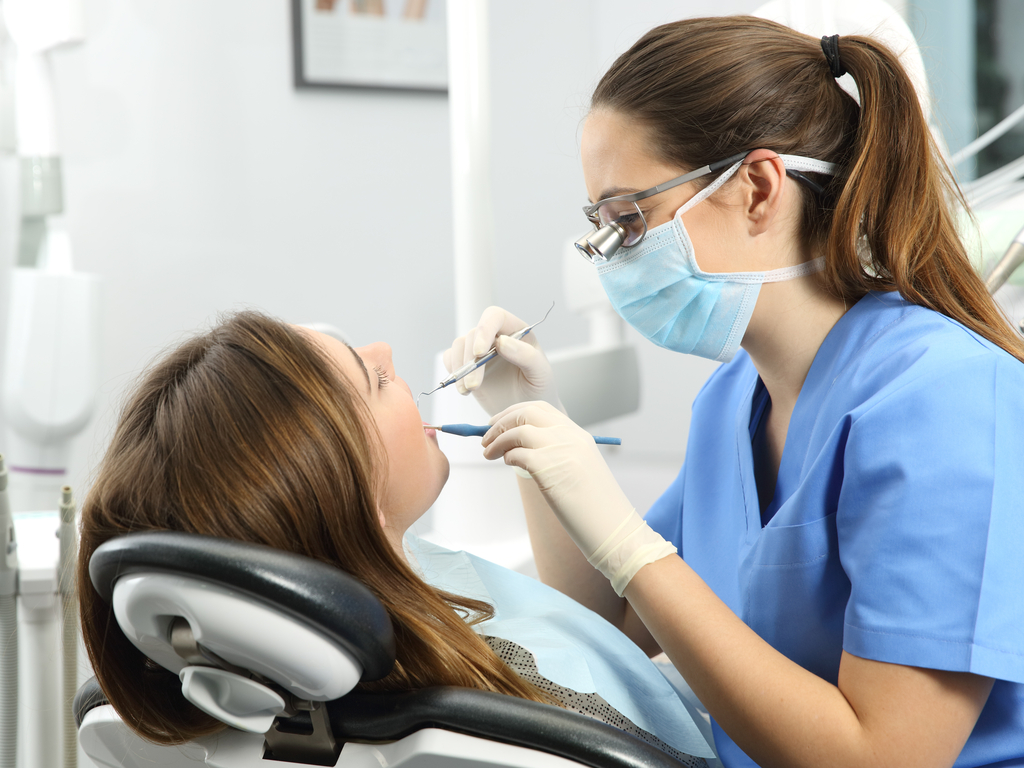
Deep Cleaning: Scaling and Root Planing
When gum disease has progressed beyond what a standard cleaning can address, scaling and root planing (SRP) is the next step. This is a deeper, more focused procedure that goes below the gumline to clear out the infection where it lives.
Scaling removes hardened tartar (calculus) and bacterial buildup from the surface of the tooth root, extending into the periodontal pocket below the gumline. Standard cleanings address what’s visible above the gum tissue. Scaling goes deeper, into the affected pocket itself.
Root planing smooths the root surface of the tooth once the buildup has been cleared. Rough root surfaces give bacteria something to cling to. A smoothed surface makes it harder for them to reattach and gives the gum tissue a better environment for healing and reattachment.
SRP is typically completed in two appointments, treating one half of the mouth at each visit. We use local anesthetic to keep you comfortable throughout. Some patients experience mild sensitivity and tenderness in the treated area for a few days afterward, which is normal. Our team will give you specific aftercare instructions before you leave.
Scaling and root planing is highly effective for mild to moderate periodontal disease. For most patients in this range, SRP stops disease progression and allows the tissue to heal and reattach.
Periodontal Therapy and Ongoing Maintenance
Periodontal disease is a chronic condition. Even after successful treatment, it can return if maintenance lapses. This is the part most patients don’t fully hear when they leave their first perio appointment.
Once active treatment is complete, we move patients to a periodontal maintenance schedule, typically every three to four months rather than the standard six. These appointments are different from routine cleanings. We’re monitoring the treated pockets, re-charting as needed, and removing any new buildup before it has a chance to restart the disease process.
Research is consistent on this point: patients who maintain their schedule after SRP sustain significantly better outcomes than those who return to twice-yearly cleanings or stop coming in altogether. We’ll track your progress over time and adjust the frequency based on how your tissue is responding. Some patients with well-controlled disease can eventually return to a standard schedule. Others do better staying on a three-month cycle long term. We’ll tell you honestly where you fall.

Treating Gum Disease Along With All Your Other Dental Needs
One of the practical advantages of treating periodontal disease at our office is that Dr. Anderson already knows your full dental history. Your X-rays, prior restorations, any systemic health factors that affect your treatment, and your comfort level in the chair are all already part of how we approach your care.
Patients don’t have to re-explain their history to a specialist or coordinate between two offices. If your periodontal disease requires surgical intervention beyond what we handle in-house, we’ll refer you to a periodontist we trust and stay in communication throughout. That’s a referral we make rarely. The majority of cases we see in Kennesaw and Acworth respond well to the treatment we provide.
Get Gum Disease Under Control in Kennesaw, GA!
If you have noticed bad breath, recessed gums, or swelling of the gums, schedule an appointment for a periodontal exam or call our office at 770-419-2535 today. We treat periodontal disease in patients from Kennesaw, Acworth, and our many surrounding Cobb & Cherokee County communities.
